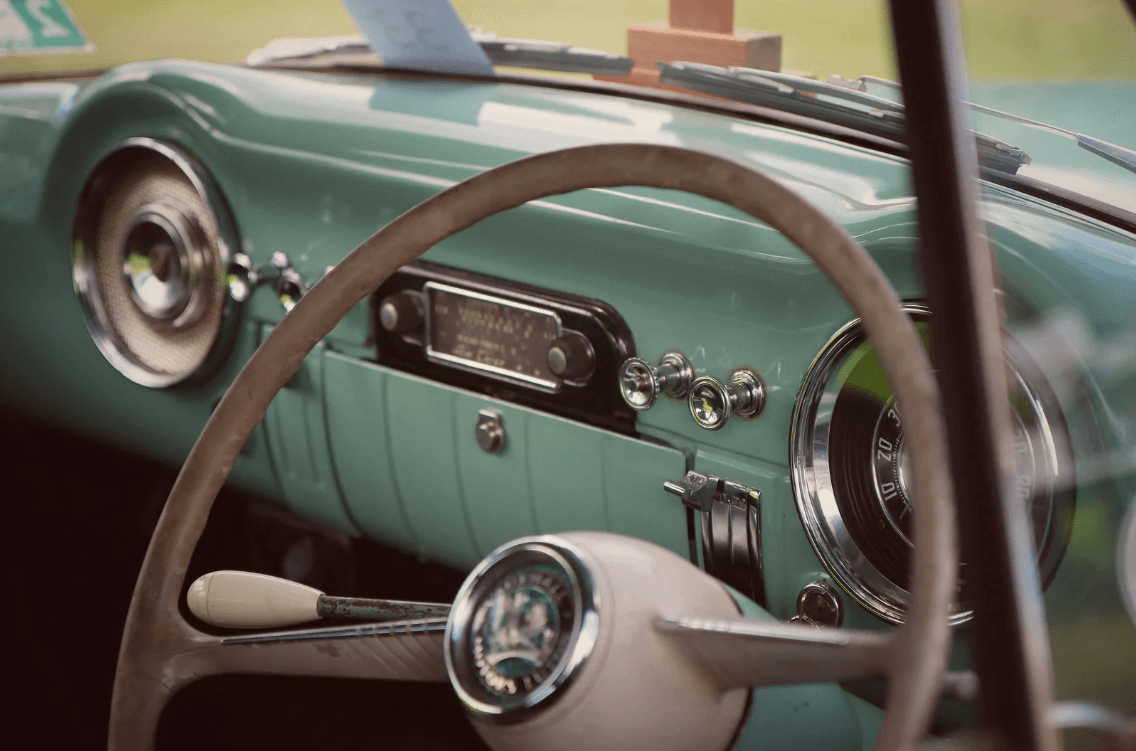
The allure of a classic car is undeniable. It’s a tangible piece of history, a work of art on wheels that tells a story of design and engineering from a bygone era. For owners and enthusiasts, the journey of restoring a vintage vehicle to its former glory is a labour of love. At the very heart of this intricate process lies the craft of welding, a skill that breathes new life into ageing metal, repairs the ravages of time, and rebuilds the very soul of the machine. This is more than a simple repair; it is a meticulous process of automotive welding that demands precision, knowledge, and a deep respect for the vehicle’s heritage.
If you’re passionate about restoring classic cars and want your project handled with care and expertise, contact Alpha Welding today for a free quote and to discover how we can help bring your vintage vehicle back to life.
The Foundation of Restoration: Why Welding is Crucial
Before a classic car can receive a gleaming new coat of paint or have its engine purr once more, its structural integrity must be flawless. Over decades, exposure to the elements inevitably leads to rust and metal fatigue, particularly in British weather. Welding is the only true method to permanently address these issues, going far beyond cosmetic fixes to restore the vehicle’s strength and safety.
A proper restoration addresses two key areas: the car’s visible bodywork and its unseen skeleton, the chassis. Both rely on expert welding to ensure the final result is not only beautiful but also safe and durable for the road ahead.
Diagnosing the Damage: Identifying Where Welding is Needed
The first step in any restoration project is a thorough assessment. Knowing what to look for can help an owner understand the scope of work required.
Common Trouble Spots for Rust and Corrosion
- Sills and Rocker Panels: Located along the bottom of the car between the wheels, these areas are highly susceptible to moisture and road salt.
- Wheel Arches: Constant exposure to water and debris thrown up by the tyres makes wheel arches a prime spot for rust.
- Floor Pans: Moisture trapped under carpets can silently eat away at the floor of the vehicle, compromising its structure.
- Chassis and Frame Rails: As the vehicle’s foundation, any corrosion here is a serious safety concern that requires immediate attention.
- Boot Floor and Spare Tyre Well: Similar to floor pans, this area can trap water, leading to significant rust.
Recognising these issues early can prevent more extensive and costly repairs down the line. While minor surface rust might be treatable, any bubbling paint or visible holes indicate that the metal is compromised and will require cutting out and replacing through welding.
Welding Techniques for Authentic Car Restoration
Bringing a vintage vehicle back to life requires more than one type of weld. A professional will select the appropriate technique based on the metal type, panel thickness, and desired finish, ensuring the repair is both strong and authentic to the car’s original construction.
MIG (Metal Inert Gas) Welding
MIG welding is a workhorse in the world of classic car bodywork. It’s valued for its speed and the strong bond it creates, making it ideal for structural repairs like floor pan replacement or patching larger sections of the body. In the hands of a skilled operator, MIG welding can be controlled to minimise heat distortion on the classic car’s often delicate sheet metal.
TIG (Tungsten Inert Gas) Welding
When absolute precision and a flawless finish are required, TIG welding is the technique of choice. It offers superior control, producing neat, clean welds that require very little grinding or finishing. This makes it perfect for visible areas, custom car fabrication, or working with specialist materials like aluminium or stainless steel sometimes found in restoring antique cars. The level of skill needed for TIG is high, but the results are unmatched.
Spot Welding
To achieve a truly authentic restoration, it’s often necessary to replicate how the car was built in the factory. Manufacturers used spot welding to join panels together. A professional restoration will use spot welding for tasks like quarter panel replacement, ensuring the final repair is indistinguishable from the original build and maintains the car’s structural integrity and value.
From Rust to Radiance: The Restoration Process in Action
Once the damage is assessed and the right techniques are chosen, the physical work of bringing the metal back to life begins.
The Art of Rust Removal and Sheet Metal Fabrication
The process starts by carefully cutting away every trace of corroded metal. This is a critical step; simply welding over rust will only trap the problem, allowing it to continue spreading unseen.
Once the damaged metal is gone, a new piece must be created. This is where the artistry of sheet metal fabrication comes in. A skilled fabricator shapes a new panel to perfectly match the contours of the car’s body. This is not about using generic patches; it’s about creating a bespoke piece that fits seamlessly. The new panel is then meticulously welded into place, creating a permanent, invisible repair.
Rebuilding the Backbone: Chassis and Frame Restoration
The most critical welding work happens on the car’s chassis. The frame is the foundation for everything, and its strength is paramount for safety. A chassis repair involves precisely cutting out weakened sections and welding in new, high-strength steel. This process reinforces the car’s structure, correcting any weaknesses and ensuring it can handle the stresses of driving. A comprehensive frame restoration is a non-negotiable part of any serious classic car rebuild. To understand the importance of quality in these structural repairs, you can learn more about what defines MOT standard welding.
What to Look for in a Classic Car Restoration Specialist
Choosing the right specialist is essential to the success of any classic car restoration. The skill and experience of the welder, as well as their understanding of both traditional and modern welding techniques, will determine the outcome. When considering a workshop for your classic car restoration, it is essential to review their portfolio of completed projects. This provides insight into their expertise, craftsmanship, and attention to detail, which are vital qualities for restoring unique vehicles.
At Alpha Welding, we hold industry-recognised qualifications, such as those from CSWIP and TWI, which reflect our commitment to high standards and best practices. Transparent communication and a client-focused approach are at the heart of what we do, building trust and confidence throughout the restoration process. Since our establishment in 2012, Alpha Welding has grown significantly, driven by a passion for the craft and dedication to excellence. Our reputation as a leading provider in the South East is built on years of quality work and satisfied clients. To learn more about our journey and values, visit our about page.
Let Alpha Welding Help with Your Classic Car Restoration
Ready to take the next step in your classic car restoration journey? Contact Alpha Welding today for a free quote and professional advice by calling 01403 458874 or visiting our contact page.
Frequently Asked Questions (FAQs)
What are the most common welding challenges in classic car restoration?
The key challenges include managing heat to avoid warping thin or aged metal panels, accessing difficult-to-reach areas for repair without compromising the car’s structure, and replicating original factory welds to maintain authenticity and value.
How can I find a qualified welder for my classic car project?
Look for specialists with a proven portfolio of classic car work. Ask about their experience with your specific make and model, and check for industry accreditations.
How is welding for a classic car different from a modern car repair?
Classic cars often use different types of steel, and their construction methods are less uniform than modern, robotically-assembled vehicles. A restorer must have the skills for metal fabrication from scratch, as replacement panels are often unavailable. The goal is not just repair, but preservation of character.
What should I budget for classic car welding?
The cost is entirely dependent on the scope of work. A small rust repair might come at a relatively low cost, while a complete chassis and body restoration can be a more substantial investment due to the time and complexity involved. The best approach is to get a thorough inspection and a detailed, itemised quote from a reputable specialist.